Strand on the Green sustainable removals donation and recycling tips
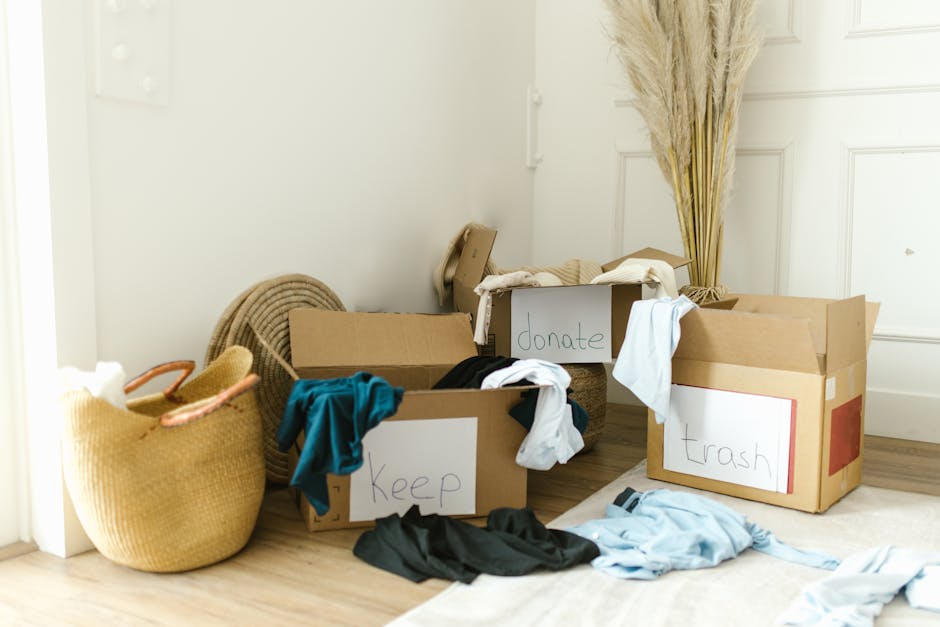
Moving home or office in Strand on the Green can feel busy enough without adding waste, chaos, and last-minute bin runs into the mix. The good news? A sustainable move is usually simpler than people expect. With a bit of planning, you can donate usable items, recycle responsibly, and cut down on the number of boxes, bags, and bits of furniture that end up being thrown away.
This guide to Strand on the Green sustainable removals donation and recycling tips is designed for real life: the slightly crumpled cupboard at the back of the flat, the spare chair nobody quite likes, the cable drawer that has become a tiny museum of old chargers. You will find practical donation ideas, recycling checks, step-by-step moving advice, and a few local-minded pointers to help make the process feel manageable rather than overwhelming.
If you are trying to move more responsibly, save time on moving day, and avoid that awful "we should have sorted this earlier" feeling, you are in the right place.
Why Strand on the Green sustainable removals donation and recycling tips Matters
A move creates waste in quiet little ways. Not just the obvious things, like broken furniture or old mattresses, but the smaller stuff too: packaging tape, bubble wrap, chipped mugs, duplicate kitchenware, unwanted paperwork, and boxes filled with items you have not looked at in years. In a place like Strand on the Green, where many people are balancing compact homes, busy schedules, and tight move dates, it is easy for all of that to become a messy pile by the door.
Sustainable removals matter because they change the shape of the move. Instead of seeing everything as rubbish or keeping everything "just in case," you sort items into practical streams: donate, recycle, reuse, store, sell, or dispose of properly. That approach is better for the environment, yes, but it also makes the move feel cleaner and more controlled.
There is another benefit that people sometimes miss. A greener move often leads to a lighter move. Fewer boxes. Less loading time. Fewer awkward decisions on moving day. Less hauling, less stress. To be fair, that is a pretty decent trade.
It also helps you handle items in a more thoughtful way. A dining chair with life left in it should not be treated like broken waste. Old office chairs, books, clothing, and appliances can often be redirected if they are still usable or recyclable. If you want to see how a professional approach supports that mindset, the company's own recycling and sustainability guidance is a useful starting point.
How Strand on the Green sustainable removals donation and recycling tips Works
The basic method is simple, though the details matter. Before the move, you go room by room and decide what each item should become. In practice, that means sorting into four main groups:
- Donate items that are clean, functional, and likely to be accepted by charities or reuse channels.
- Recycle materials that can be handled through proper recycling routes.
- Reuse or sell things with enough value to justify a second life.
- Dispose of damaged, unsafe, or non-recyclable items through the right local channels.
This is where a move starts to feel like a project rather than a panic. A box of old books, for example, might be split three ways: some donated, some kept, some recycled if they are damaged beyond use. A broken chair may not be suitable for donation, but its metal frame or wood parts may still be recyclable depending on condition and local acceptance rules.
In a real move, timing matters. Donations should happen early enough that you are not still negotiating with a boot full of spare lamps at 9pm the night before. Recycling should be bagged and labelled if needed. Bulky items need checking in advance, because not every collection route accepts everything, and not every item is safe to put out with standard waste.
People also underestimate the role of packing. Good packing helps protect donation items and sort recyclable materials neatly. If you are still in the stage of gathering boxes and wrapping, the right packing and boxes support can make the whole process much easier. And if you are moving out of a flat with tight access or stairs, a service like flat removals may help keep the load-out more organised.
Key Benefits and Practical Advantages
The main benefit is obvious enough: less waste. But there is more going on here than simply being "green". A sustainable move can help in several practical ways.
- Less clutter on moving day. If you remove donation and recycling items early, the actual move is calmer.
- Lower disposal pressure. You are less likely to face a sudden pile of things that need urgent sorting.
- Better use of space. Moving fewer items can reduce the number of boxes, van loads, or storage needs.
- Improved item value recovery. Good-quality items may be reused, given away, or sold instead of thrown out.
- More responsible disposal. Hazardous or restricted items can be separated properly instead of being mixed into general waste.
There is also a psychological advantage, which sounds soft but is very real. Letting go of unused things before a move often makes the new place feel more intentional. You unpack with a clearer head. You can actually find the kettle. Tiny victory, but still.
For business moves, the benefits can be even more noticeable. Offices often accumulate surplus desks, monitors, chairs, filing cabinets, packaging, and obsolete electronics. Choosing the right approach early can save handling time and prevent useful materials from being lost in a hurried clear-out. If that sounds familiar, see the options for office removals and commercial moves for a more structured move plan.
Who This Is For and When It Makes Sense
This approach is useful for almost anyone moving in or around Strand on the Green, but it is especially relevant if you are in one of these situations:
- you have lived in the same home for a long time and accumulated too much stuff, naturally enough
- you are downsizing and cannot take everything with you
- you are moving from a rental and want the property cleared properly
- you are preparing a family home for sale
- you are moving between flats and want to travel light
- you are clearing an office and want to reduce waste
- you want to minimise landfill and make better use of reusable items
It also makes sense if you are on a tight timeline. Sometimes people think sustainable removals must take longer, but that is not always true. If you sort early and keep each category separate, the process can be faster on the day because your movers are not waiting around while you decide whether the old toaster is a treasure or just a toaster.
If you are moving out of a larger property, the support of house removals or experienced house removalists can make a big difference. For smaller, more flexible loads, a man and van style service may be enough, especially when you are combining removals with donation drop-offs or recycling stops.
Step-by-Step Guidance
Here is a practical, room-by-room way to handle Strand on the Green sustainable removals donation and recycling tips without losing your mind halfway through.
1. Start with a simple three-pile system
Use clear categories: keep, donate, recycle/dispose. If you need a fourth pile, add "unsure" and cap it. Do not let the unsure pile become a permanent second wardrobe. It will if you let it.
2. Begin with the easiest rooms
Lofts, spare rooms, under-bed storage, hall cupboards. These areas usually hide the most obvious donation and recycling candidates, like duplicate bedding, old cables, board games with missing pieces, and spare vases. Quick wins build momentum.
3. Check condition before donating
Donated items should be clean, complete, and safe to handle. A wobbly chair or stained bedding is usually not helpful to anyone. If in doubt, be honest: good enough for reuse or not?
4. Separate recyclables by material where possible
Cardboard, paper, metal, textiles, small electricals, and plastics may all need different handling. You do not need a perfect recycling lab at home, just enough separation to avoid contamination. Wet cardboard, food residue, or mixed materials can turn a recyclable item into a rejected one.
5. Label boxes clearly
Write the destination on each box: donate, recycle, keep, kitchen, bedroom, office. That sounds basic, and it is, but basic is good. On a moving morning, clear labels save time and argument.
6. Book bulky item handling early
Large furniture, mattresses, and heavy appliances often need a separate plan. If the item is in good condition, explore collection options such as furniture pick up or furniture removals. If it is not reusable, make sure you know the disposal route before moving day arrives.
7. Handle special items carefully
Pianos, paint, batteries, old electronics, and some cleaning products are not "standard rubbish". They need extra thought. If you are moving something awkward or delicate, look at piano removals for specialist handling. You really do not want a DIY lift gone wrong with something that weighs more than your optimism.
8. Keep your move plan flexible
Some items look reusable right up until the final hour. Others seem destined for the bin, then suddenly a neighbour wants them. Build in a bit of slack. Moves are messy. Life is messy. That is just how it goes.
Expert Tips for Better Results
After enough moves, a pattern shows up. The people who manage sustainable removals best are not the ones with the most boxes. They are the ones who make earlier decisions and keep their categories clean.
- Use the "one-touch" rule. Pick up each item once and decide its fate. Avoid setting it down again "for later" unless you truly need more information.
- Set a donation cut-off date. Give yourself a deadline a few days before the move so donation items do not drift back into the keep pile.
- Focus on volume, not perfection. You do not need to recycle every tiny thing individually. Start with the big wins: furniture, cardboard, textiles, appliances.
- Think about access. A third-floor flat with narrow stairs or no lift changes what is sensible to carry yourself.
- Use storage for the grey area. If you are not ready to part with some items but do not want them in the new place yet, short-term storage can buy breathing space.
A small but important tip: keep an "essentials" box completely separate from donation and recycling piles. That box should contain chargers, toiletries, medications, documents, snacks, and a mug if you are sensible. Nobody wants their toothpaste living in the donation pile by mistake.
If you are moving with children, students, or a mixed household, assign people specific categories. One person handles books, another handles clothes, another handles kitchen items. The work goes faster, and you reduce duplication. For a smaller team or a lighter load, services such as student removals can be a practical fit.
Common Mistakes to Avoid
Most wasteful moves do not happen because people do not care. They happen because the move gets busy and every decision gets pushed to the end. Very normal. Also very avoidable.
- Leaving sorting until moving day. At that stage, the pressure is too high and the easiest choice wins, which is often disposal by default.
- Donating damaged items. If it is broken, dirty, or unsafe, donation creates work for someone else.
- Mixing recyclable and non-recyclable materials. One greasy box can spoil a whole batch.
- Forgetting bulky waste rules. Mattresses, cabinets, and large appliances usually need separate arrangements.
- Ignoring data-bearing items. Old laptops, phones, and documents need proper handling before disposal or recycling.
- Not measuring access routes. If a sofa will not fit through the stairwell, you will learn that the hard way. Best not to.
Another common issue is emotional over-attachment. That spare lamp is not "classic vintage" just because it has been sitting in the attic since 2011. A bit of honesty helps. Ask: would I pay to move this item into my new place? If the answer is no, you have your answer.
Tools, Resources and Recommendations
You do not need specialist equipment, but a few simple tools make sustainable removals much easier.
- Marker pens for labelling boxes clearly
- Strong tote bags or reusable crates for donations and smaller items
- Sorting stickers or tape colours for keep, donate, recycle, and fragile categories
- Blankets and packing paper to protect reusable items during transit
- Basic measuring tape to check furniture access and avoid pointless moving-day drama
- A simple inventory list so you know what is leaving, what is staying, and what needs a second look
If you want the moving process to feel more coordinated, it helps to work with a provider that understands both handling and sustainability. The company's removal services and removals pages are useful if you are comparing a full-service approach with a lighter, more flexible move setup. For people who need a vehicle and labour for a smaller local job, removal van and removal truck hire can also be relevant.
When you are comparing options, ask how items are handled if they cannot be reused. That one question tells you a lot about the service's practical mindset. And if you are moving property that needs careful loading or restricted access planning, a moving truck may be better suited than trying to improvise with multiple smaller trips.
Law, Compliance, Standards and Best Practice
Without getting overly legal about it, it is worth treating waste and donations with care. In the UK, the key principle is straightforward: items should go where they can be handled safely and lawfully, and you should not pass on hazardous, contaminated, or unsafe goods as though they were ordinary reusable items.
For household moves, that means paying attention to things like electrical goods, batteries, paints, chemicals, sharp objects, and confidential paperwork. For businesses, the standard is higher still because commercial clearances often include data-sensitive materials and equipment that need secure handling. If you are relocating an office, it is sensible to think about secure disposal and chain-of-custody style handling where relevant, even if the item is not technically high-risk.
Best practice also means checking what local collectors or reuse routes will accept. Acceptance can vary by item condition, material mix, and collection method. A nice-looking chair is not automatically reusable if the frame is damaged. Likewise, a cardboard box is only recyclable if it is clean and dry enough to process.
Insurance and handling matter too. If items are being moved, stored, or donated through a removals provider, make sure you understand the conditions under which goods are carried. That is one reason people review pages such as insurance and safety and the wider health and safety policy before confirming a booking. It is not exciting reading, granted, but it does answer the annoying questions before they become real problems.
If you want to compare service levels, start with the practical basics: access planning, item handling, packing support, and disposal awareness. A dependable mover should be able to explain how donation-ready items, recyclables, and waste will be separated during the job.
Options, Methods, or Comparison Table
The best route depends on the item. Here is a simple comparison to help you decide quickly.
| Item type | Best option | Why it usually works | Watch out for |
|---|---|---|---|
| Clean furniture in good condition | Donate or arrange collection | Extends item life and reduces waste | Check access, size, and condition carefully |
| Broken furniture | Recycle or dispose properly | Some materials may still be recoverable | Mixed materials can be hard to separate |
| Books, clothes, household goods | Donate, sell, or reuse | Often easy to pass on | Only if clean and complete |
| Cardboard and paper | Recycle | Usually straightforward when clean and dry | Remove tape, food residue, and wet material |
| Electronics | Reuse, recycle, or secure disposal | May contain recoverable parts and sensitive data | Delete data and separate batteries first |
| Heavy or awkward items | Specialist move or collection | Reduces damage and injury risk | Measure access and weight beforehand |
For many people, the best approach is a mix. Donate the good stuff. Recycle the obvious materials. Use professional support for heavy or awkward items. Simple, really. Not always easy, but simple.
Case Study or Real-World Example
Imagine a couple moving out of a first-floor flat near Strand on the Green into a slightly larger home a few streets away. They have a spare dining table, two office chairs, a box of books, some small electrical items, and a pile of cardboard from furniture deliveries over the years.
Instead of packing everything into the moving van and sorting it later, they spend two evenings before the move doing the following:
- They check the dining table and chairs for condition and decide the table is suitable for reuse, but one chair is too damaged.
- They separate books into keep, donate, and recycle piles.
- They remove batteries from old devices and place the electronics aside for proper handling.
- They flatten and dry the cardboard so it can be recycled cleanly.
- They label all donation boxes clearly and keep them near the front door.
On moving day, the load is lighter and the job feels smoother. The mover is not waiting while they debate what to do with a half-broken shelf. The couple spends less time moving rubbish and more time settling into the new place. There is still a kettle hunt, naturally, but the rest goes better than expected.
That kind of result is common when you plan early. The move becomes less about disposal pressure and more about making considered decisions. And honestly, that is what sustainable removals should do.
Practical Checklist
Use this checklist in the final week before your move.
- Sort every room into keep, donate, recycle, and dispose piles
- Remove obvious donation items early so they do not drift back into packing boxes
- Check furniture and household goods for condition, safety, and cleanliness
- Flatten cardboard and keep recycling materials clean and dry
- Separate batteries, electronics, and sensitive paperwork
- Book collection or disposal for bulky items in advance
- Label all boxes clearly with destination and room name
- Pack an essentials box for the first 24 hours in the new place
- Measure access routes for bulky furniture
- Decide in advance what will go into storage, if anything
- Keep donation items together so they can be loaded or dropped off easily
- Review mover handling and safety information before the day arrives
Expert summary: The best sustainable move is not the one with the most perfect recycling. It is the one that starts early, sorts cleanly, and keeps reusable items moving into the right next place.
Conclusion
Strand on the Green sustainable removals donation and recycling tips are really about making sensible choices at the right time. If you plan early, keep items separated, and treat donation and recycling as part of the move rather than an afterthought, you will usually save effort and reduce waste at the same time.
And that is the lovely part, really. A better move does not have to be a bigger one. Sometimes it is just cleaner, calmer, and more thoughtful. A few careful decisions now can make your new home feel lighter from day one.
If you are ready to plan a greener move with fewer surprises and more confidence, the next step is simple.
Get a free quote today and see how much you can save.
Frequently Asked Questions
What does sustainable removals mean in Strand on the Green?
It means planning your move so usable items are donated or reused, recyclable materials are separated properly, and waste is reduced wherever possible. In practice, it is a more organised and less wasteful way to move.
What items should I donate before moving?
Donate items that are clean, safe, and still functional, such as furniture in good condition, books, kitchenware, clothing, and household accessories. If it is broken, stained, or incomplete, donation is usually not appropriate.
Can I recycle furniture during a house move?
Sometimes, yes. It depends on the material and condition. Some furniture can be reused, some can be broken down for recycling, and some needs special disposal. Large items are often easiest to handle through a furniture collection or removal service.
How do I know if something is better donated or recycled?
A simple rule helps: if the item is clean, safe, and useful, donation is usually worth trying. If it is damaged, unsafe, or worn beyond reasonable use, recycling or disposal may be the better route.
What should I do with old electronics before moving?
Back up or remove any important data, take out batteries where possible, and keep electronics separate from general waste. Some items can be reused, while others need careful recycling or secure disposal.
Do sustainable removals take longer?
Not necessarily. They can actually save time on moving day if you sort early and avoid last-minute decisions. The key is to do the thinking before the van arrives, not during it.
How can I reduce cardboard waste when packing?
Use only the boxes you need, flatten packaging once unpacked, and keep cardboard clean and dry for recycling. Reusable crates or tote bags can also reduce the amount of single-use packing material.
What if I have bulky items I cannot move myself?
Book help in advance and check whether the items can be reused, collected, or disposed of properly. Heavy furniture, mattresses, and awkward appliances often need a dedicated plan.
Is storage useful for a sustainable move?
Yes, especially if you are unsure about a few items but do not want to make rushed decisions. Short-term storage can buy you time to sort properly instead of dumping things out of convenience.
What is the biggest mistake people make with donation and recycling during a move?
Leaving it all until the last day. That is when good intentions collapse into "just take it all away." A bit of early sorting makes a huge difference, honestly.
Can office moves follow the same sustainable approach?
Absolutely, although offices often need extra care with electronics, paperwork, and equipment. Reuse, secure handling, and proper separation of materials are especially important in commercial moves.
Should I hire professionals for a greener move?
If you have bulky items, limited access, or a tight schedule, professional help can be very worthwhile. It makes donation, recycling, loading, and transport much easier to coordinate without turning the day into a scramble.