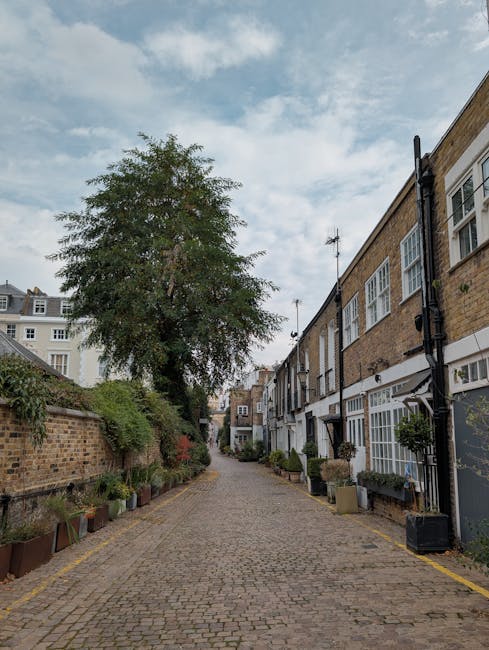
Bedford Park narrow street moving tips for Chiswick removals
Posted on 15/07/2026
Bedford Park Narrow Street Moving Tips for Chiswick Removals
Moving in Bedford Park can feel deceptively simple from a distance. The houses are charming, the streets are leafy, and Chiswick has that calm, village-like feel people love. Then moving day arrives, and suddenly you are dealing with narrow roads, parked cars, careful loading, awkward corners, and the sort of logistics that make even a small move feel bigger than it looked on paper.
That is exactly why Bedford Park narrow street moving tips for Chiswick removals matter. If you plan well, a move through these tighter residential streets can be smooth, quiet, and surprisingly efficient. If you do not, you can end up wasting time, blocking access, stressing neighbours, and turning a routine relocation into a long morning of avoidable hassle. This guide walks through the practical side of it all, from access planning and packing decisions to vehicle choice, timing, and the little details that make a big difference.

Why Bedford Park Narrow Street Moving Tips for Chiswick Removals Matters
Bedford Park is known for attractive period homes, tree-lined roads, and streets that were never really designed for modern moving vans. That is not a criticism, by the way. It is part of the area's appeal. But the same character that makes the neighbourhood so desirable also creates moving-day complications that are easy to underestimate.
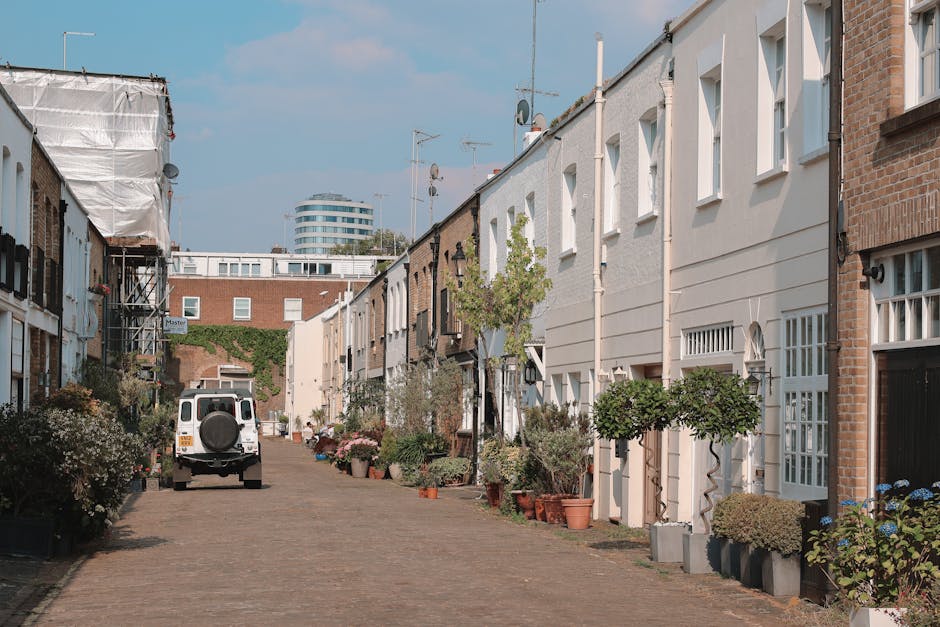
Narrow streets affect almost everything: where a vehicle can stop, how far boxes must be carried, whether furniture can be manoeuvred safely, and how long the whole move will take. Even a short stretch of road can become a bottleneck if one car is parked awkwardly or a van arrives too large for the access available. And let's face it, nobody wants the removal team doing three-point turns while you stand there with a lamp and a mild sense of dread.
These tips matter because they help you move with less disruption and fewer surprises. They also help protect your belongings, the property, and the street itself. That last part is easy to forget, but it matters. Narrow roads in Bedford Park often sit close to front gardens, low walls, footpaths, and parked residents' cars, so careful handling is not optional. It is part of doing the job properly.
If you are comparing moving options more broadly, it can also help to look at the wider service picture on the site, including removal services in Chiswick and the broader services overview. Those pages are useful if you are still deciding what level of help you actually need.
How Bedford Park Narrow Street Moving Tips for Chiswick Removals Works
In practical terms, moving successfully through Bedford Park streets is about matching the move plan to the real conditions on the day. That means looking at access before the van arrives, choosing the right type of vehicle, planning carry distances, and deciding what should be taken apart in advance.
A narrow street move usually works best when everyone involved understands three things: the route, the stopping point, and the load plan. The route is how the van gets in and out. The stopping point is where loading happens. The load plan is the order in which items leave the property so the most awkward pieces do not get trapped behind lighter boxes. Simple enough, but very often skipped.
There is also a timing element. Early morning loading can be calmer because there is less local traffic and fewer parked cars being shuffled around. Midday can be trickier. A late afternoon slot may be fine for some moves, but in a street with tighter access it can mean more pressure, more reversing, and more waiting around.
For many households, especially those in flats or smaller houses, the move may also overlap with choices about van size and manpower. A compact service may suit a single bedroom or lighter load, while a larger house move might need a fuller team. If you are weighing that up, the pages for man with van Chiswick and man and a van in Chiswick can help you think through the difference in a very grounded way.
Key Benefits and Practical Advantages
Good planning for a narrow street move is not just about avoiding problems. It genuinely improves the whole experience.
- Less delay: When access is pre-planned, the team can start unloading sooner and keep the move moving.
- Lower risk of damage: Fewer awkward turns and shorter carry routes reduce bumps, scrapes, and doorframe grazes.
- Less stress for neighbours: A tidy, well-managed move is quieter and less disruptive.
- Better protection for belongings: Carefully routed items are less likely to be dropped or squeezed.
- More accurate quoting: When access details are clear, estimates tend to be more realistic.
- Safer handling: Narrow streets often mean tighter lifts and more manual carrying, so planning prevents rushed lifting.
There is another advantage that people miss: confidence. When you know the van is the right size, the packing is under control, and the access point has been thought through, you can get on with the day without second-guessing every decision. That calm matters more than people expect.
If you want to understand how pricing can reflect this sort of planning, take a look at pricing and quotes. It is a sensible next step before choosing a service level.
Who This Is For and When It Makes Sense
This approach is useful for anyone moving in or out of Bedford Park, but it is especially relevant if any of the following apply:
- you live on a street with parked cars on both sides
- your property has tight front access, steps, or a narrow hallway
- you are moving a family home with heavier furniture
- you have fragile items, a piano, or large wardrobes
- you are in a flat with shared access or limited parking
- you are moving at a busy time of day
- you want to reduce disruption for neighbours and avoid delays
It is also a good fit if you are choosing between different removal styles. A compact move service may be fine for a small flat, but a larger home move may need a more structured approach. If you are in a flat, the dedicated flat removals Chiswick page is a useful point of reference. For bigger domestic moves, house removals Chiswick is the more relevant option.
And if your move involves something more delicate, the specialist pages for piano removals Chiswick and furniture removals Chiswick are worth a look. Narrow streets and awkward access are exactly where specialist handling earns its keep.
Step-by-Step Guidance
1. Check the street access before moving day
Do not wait until the van is already outside. Walk the route yourself. Look at parked cars, bends, trees, low walls, and anything that might create a pinch point. If you are moving from an upper floor, check whether the front path is wide enough for furniture to pass safely.
A quick photo walk can be surprisingly useful. Take a few pictures of the street, the entrance, and the front of the property. That helps you explain the access more clearly if you speak with the removal team later. It also avoids the classic "it looked bigger in my head" problem.
2. Choose the right vehicle size
Big isn't always better on a narrow Bedford Park road. A large van may carry more, but if it cannot stop close to the property, you lose time and may increase carrying distances. Sometimes a smaller van with an efficient loading plan is the smarter choice.
This is where local knowledge really counts. A team familiar with Chiswick streets will usually know when a compact route is less stressful than forcing a larger vehicle into a tight space. If you are comparing vehicle-based options, the pages for removal van Chiswick and man with a van Chiswick can be helpful starting points.
3. Pack for carry distance, not just for storage
People often pack boxes neatly for the home, then forget those boxes still need to be carried down steps, through a narrow door, and across a street. Make boxes sturdy, not overloaded, and label the fragile ones clearly. If the access is tight, smaller boxes are often better than a few giant ones that look tidy but are miserable to lift.
Use quality wrapping for corners, mirrors, and table legs. The extra five minutes you spend wrapping a lamp properly can save a lot of groaning later. Honestly, cardboard and optimism only go so far.
For packing support, the dedicated packing and boxes Chiswick page is a practical companion to this section.
4. Clear a loading zone if possible
In many narrow streets, the main challenge is not the van itself but the lack of a clear place to stop. If you can legally and safely reserve space by coordinating with neighbours or planning around resident parking, do it early. Keep this within the rules and avoid assuming you can just occupy part of the road indefinitely. You cannot.
If space is really limited, build in extra time. One tight loading move can easily take longer than expected. Better to have a realistic window than a rushed one.
5. Move the awkward items first
Load bulky furniture, mattresses, and awkward shapes early in the sequence. That way the van is not filled with boxes before the items that need the most manoeuvring even get to the door. In a narrow street, order matters. A lot.
This is especially true for item-heavy moves in older homes. Consider the stair geometry, door widths, and hallway turns before deciding what leaves first. The goal is to reduce backtracking.
6. Protect the property and shared surfaces
Use floor runners, door protection, and protective wraps where needed. Bedford Park properties often have character features that deserve respect, and some are easy to scuff without noticing. A small mark on a painted archway can become a needless regret by tea time.
If your move includes expensive or delicate pieces, check whether you need a more specialist approach. The insurance and safety page is useful for understanding the sort of protection expected in a professional move.
Expert Tips for Better Results
Here is the part that makes life easier in the real world, not just in theory.
- Time your move to avoid school-run congestion where possible. The streets around Bedford Park can feel very different at peak times.
- Keep a clear "first hour" box. Put kettle, mugs, phone chargers, toiletries, snacks, and basic tools in one clearly marked container.
- Split heavy loads early. Books, record collections, and kitchen items add up fast. They may look harmless. They are not.
- Tell neighbours in advance. A polite heads-up can save friction later, especially if a van will be near doorways or driveways.
- Check access for both ends of the move. A difficult departure can be matched by an equally tricky arrival, and both matter.
- Use colour labels for rooms. In narrow-entry moves, fewer trips means less confusion, so room labels really pay off.
One practical trick I always like: keep a soft cloth, a roll of tape, and a small knife in your personal bag rather than buried in a box. The first box you need to open is always the one you packed last. Funny how that works.
If you want a broader view of the team and how they operate, the about us page gives you a feel for the company's approach, while removals Chiswick is the broader service entry point.
Common Mistakes to Avoid
Narrow street moves are full of small errors that can snowball. A few of the most common ones are very predictable.
- Booking a van that is too large: If it cannot reach the property comfortably, it becomes a problem rather than a solution.
- Ignoring parking constraints: A move can stall if access is assumed instead of checked.
- Overfilling boxes: Heavy boxes are slower, riskier, and more likely to split at the worst possible moment.
- Leaving dismantling until the last minute: Beds and wardrobes should not be a moving-day surprise.
- Not checking shared access: Communal hallways, gates, and paths need their own plan.
- Forgetting weather impact: Rain turns a short carry into a slippery one. Bedford Park in winter can be a bit fresh, to put it politely.
Another subtle mistake is underestimating how narrow streets affect morale. If the loading process is blocked for twenty minutes, people get tense. That tension can lead to rushed lifting, and rushed lifting leads to careless handling. Keep the pace steady. Not slow, just steady.
If you are unsure about the best type of support for a difficult access job, removal companies Chiswick can help you compare the level of service that suits the move.
Tools, Resources and Recommendations
You do not need a warehouse of equipment for a Bedford Park move, but a few tools make life noticeably easier.
- Furniture blankets for protecting polished wood, painted edges, and fragile corners
- Ratchet straps for stabilising tall items inside the van
- Sturdy tape and labels for box security and room identification
- Removal dollies or trolleys for heavy items on smooth ground
- Door protectors where there is a risk of knocks
- Gloves with grip for carrying in damp or chilly conditions
On the planning side, these pages are worth bookmarking while you decide on the right support level: storage Chiswick if you need temporary storage between homes, same day removals Chiswick if the timeline is tight, and student removals Chiswick if you are moving a lighter load on a modest budget.
For some readers, the best tool is simply a sensible service structure rather than more packing gear. A good local team with the right-sized vehicle often solves more problems than a stack of expensive equipment ever will.
Law, Compliance, Standards, or Best Practice
This part does matter, even if people tend to skim it. Moving on narrow residential streets should be handled with care, and professional removals should follow normal UK road safety expectations, considerate loading practices, and general duty-of-care principles. In plain English: do not block access longer than necessary, do not put people at risk, and do not damage property by being casual about the job.
If parking or stopping arrangements are involved, they should be planned in line with local conditions and any restrictions that apply to the street. It is wise not to assume that a brief stop is automatically fine simply because it feels convenient. If in doubt, the safer choice is usually the more respectful one.
Health and safety best practice also means using proper lifting technique, protecting routes through the property, securing loads in the van, and making sure staff are not rushing under pressure. That is where a well-run service stands out. The details are small, but the consequences are not.
For readers who want reassurance about operational standards and care, the health and safety policy, terms and conditions, and payment and security pages are useful trust markers. They show the kind of process-minded approach you would hope for when letting a team handle your belongings.
Options, Methods, or Comparison Table
There is more than one way to handle a Bedford Park move. The right choice depends on access, volume, and how much help you want on the day.
| Method | Best for | Strengths | Trade-offs |
|---|---|---|---|
| Compact van with careful loading | Small to medium loads on tight roads | Easier access, less stress in narrow streets | May require more trips if the load is bigger than expected |
| Man and a van service | Lighter moves, flats, flexible timings | Practical, adaptable, good for awkward access | Less capacity than a full removals team |
| Full house removals team | Larger homes, many items, delicate furniture | More hands, better for complex logistics | Usually needs more planning and a clearer access route |
| Storage plus staged move | Moves split over time or delayed completion | Reduces pressure if dates do not align neatly | Extra handling and a second transfer later |
For most Bedford Park streets, the best option is not simply the biggest one. It is the one that fits the road, the property, and the amount of help you actually need. A bit boring? Maybe. But boring can be excellent on moving day.
Case Study or Real-World Example
Here is a realistic example drawn from the kind of move people in Bedford Park often face.
A couple are moving from a first-floor flat in a period terrace onto a nearby Chiswick street. The road outside is narrow, parking is limited, and there are cars on both sides of the road by late morning. At first they assume a large van will make everything quicker. Then they walk the street properly and realise that a smaller vehicle parked closer to the entrance would reduce carrying distance and make loading far more efficient.
They also split their belongings into three groups: essentials, fragile items, and heavy awkward pieces. The bed frame, bookshelf, and sofa are handled first. Boxes follow. The kitchen is packed into smaller, stronger cartons rather than one giant "everything" box, which turns out to be the smartest decision of the day. By the time the kettle is unpacked, the worst of the work is done and nobody is panic-searching for cutlery.
What made the move work was not luck. It was simply the quiet discipline of checking access, choosing the right size vehicle, and packing for the street rather than just for the room. That is the whole game, really.
If your move is more complex than a simple flat relocation, the dedicated office removals Chiswick page may also be relevant for understanding how more structured moves are approached.
Practical Checklist
Use this before moving day. It is simple, but it catches most of the avoidable problems.
- Walk the street and note tight bends, parked cars, and access pinch points
- Confirm whether a smaller van would be more practical than a larger one
- Measure large furniture and check doorways, stairs, and hallway turns
- Pack fragile items separately and label them clearly
- Use smaller boxes for heavy items like books and kitchenware
- Prepare a first-day essentials box
- Arrange any dismantling before the van arrives
- Let neighbours know about the move if it may affect access
- Keep blankets, tape, and labels ready for quick use
- Check whether storage is needed if dates do not align perfectly
- Keep pets, children, and unnecessary clutter out of the main route
- Allow extra time for loading and parking delays
Expert summary: In narrow Bedford Park streets, the winning formula is usually simple: plan the access, choose the right vehicle, pack in manageable loads, and keep the day calm. Most moving problems start when one of those steps is skipped.
Conclusion
Bedford Park is a beautiful place to live, but its narrow streets call for a more thoughtful kind of move. The good news is that once you understand the access constraints, the rest becomes manageable. Choose the right van, pack with carry distance in mind, protect the property, and keep the schedule realistic. That is how you keep a Chiswick removal feeling orderly instead of chaotic.
In our experience, the best moves are rarely the flashiest ones. They are the ones where the details are quietly handled well, the boxes are labelled properly, and nobody has to shout across the pavement. Simple, calm, done.
Get a free quote today and see how much you can save.
And if you are still deciding which service level fits your move, it is worth comparing the options carefully rather than guessing. A little planning now can save a lot of stress later, and that is a very good trade.